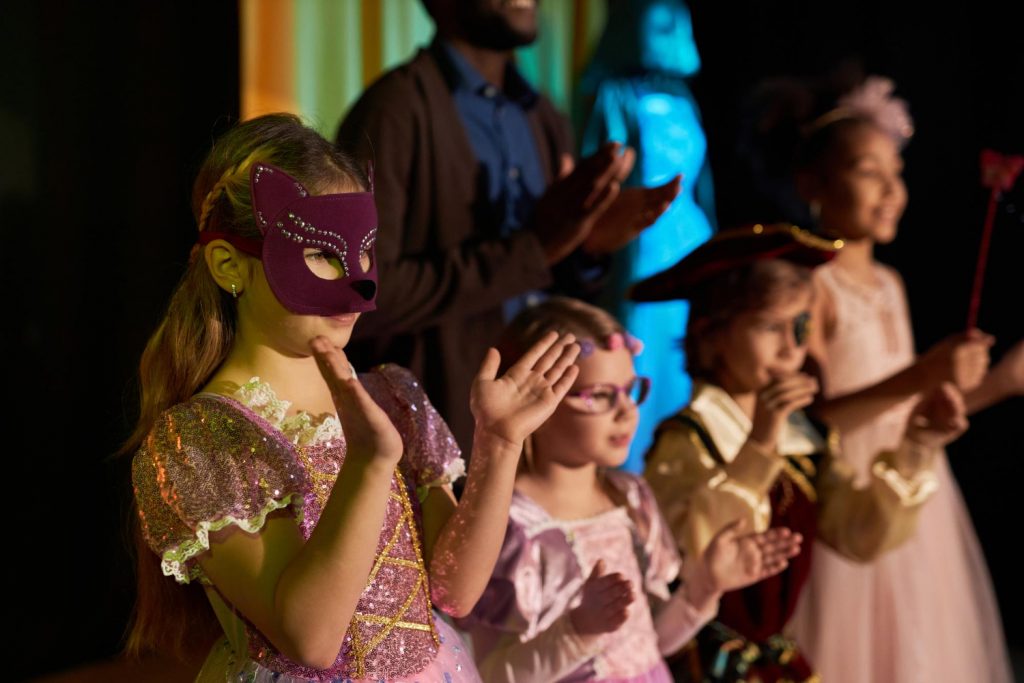
Introducing young children to their first live performance can be both exciting and intimidating. New York City offers an unmatched range of theatrical experiences, but many traditional shows are designed for older audiences, with longer run times, darker theaters, and strict expectations around quiet seating. For families navigating early childhood, the goal is often not just entertainment, but a positive first experience that builds comfort with live performance rather than overwhelming it.
The best first live shows for young children in NYC share a few key traits. They are interactive rather than passive, flexible rather than rigid, and designed with short attention spans in mind. They allow movement, encourage participation, and create a welcoming environment where curiosity is rewarded rather than discouraged. This guide outlines what to look for in a child’s first live show in New York City and highlights several options that consistently work well for young audiences, including interactive experiences in Times Square.
What Makes a Live Show Appropriate for a First-Time Audience
A first live performance sets expectations. Children learn whether theaters feel exciting or stressful, whether participation is welcome or restricted, and whether live events are places where they can engage confidently. For that reason, the structure of the show matters as much as the content.
The most successful first live shows for young children typically include the following elements:
- Short or flexible run times that allow children to stay engaged without fatigue
- Clear visual storytelling that does not rely heavily on dialogue
- Built-in audience interaction, such as singing, movement, or call-and-response
- A relaxed environment where natural reactions are expected
- Characters or themes that are already familiar, reducing cognitive load
Shows that require prolonged silence, abstract storytelling, or sustained focus in low lighting tend to work better as later experiences rather than introductions.
Why NYC Can Be a Great Place for a First Live Show

Despite its reputation for high-energy crowds and adult-oriented entertainment, New York City also offers an unusually high concentration of child-focused performances. Because so many families visit the city each year, many venues and producers have developed experiences that balance theatrical quality with accessibility for younger audiences.
Another advantage is proximity. In areas like Times Square and Midtown, live shows are often paired naturally with dining, sightseeing, and indoor attractions, allowing families to build a complete outing around a single performance rather than committing to an entire evening.
Interactive Performances Versus Traditional Theater
For young children, interactive performances are often a better entry point than traditional proscenium theater. Rather than sitting quietly in the dark, children are invited to sing, dance, answer questions, or physically participate in the story. This reduces pressure and allows them to engage in a way that feels natural.
Interactive shows also tend to normalize movement and noise, which can be reassuring for both children and adults attending their first live event. When participation is built into the structure of the show, children are less likely to feel singled out for reacting enthusiastically.
The Grandest Princess Ball Ever
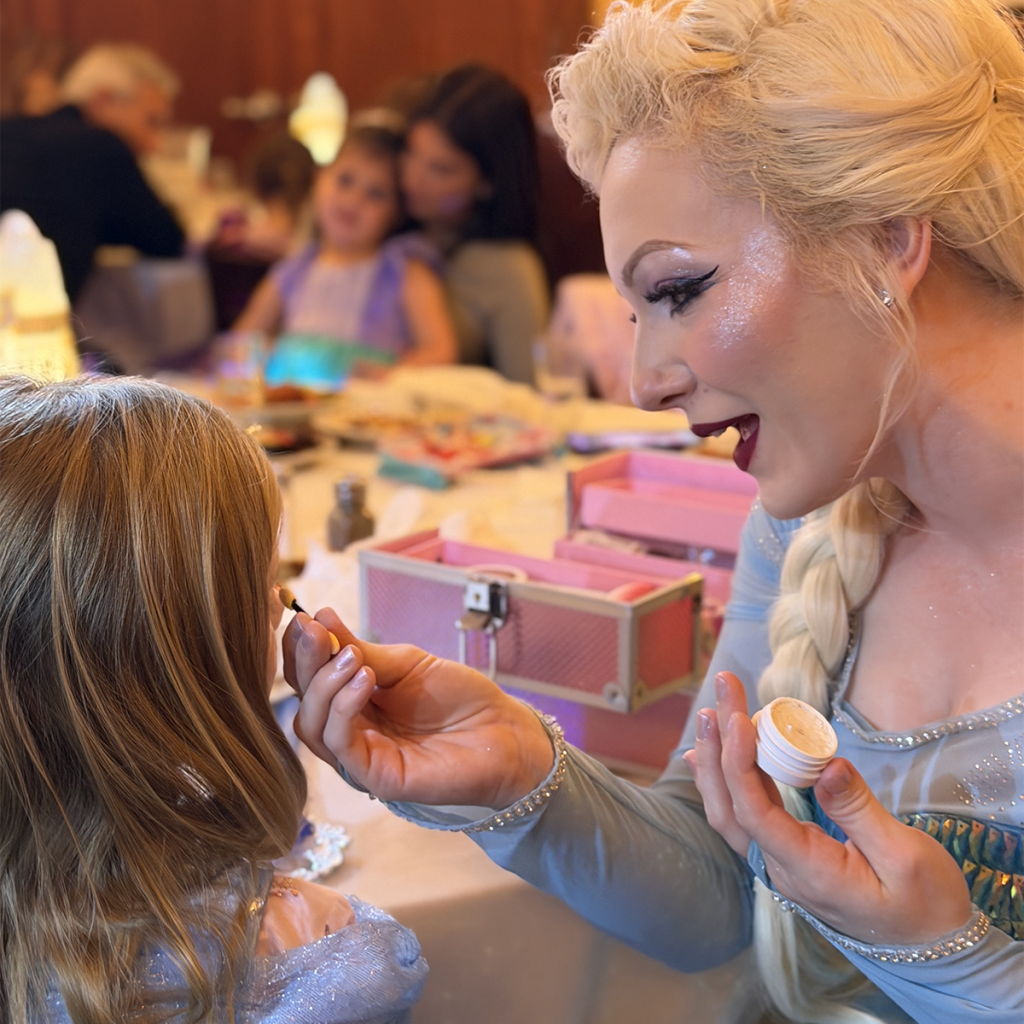
One of the most accessible first live show options for young children in NYC is The Grandest Princess Ball Ever, an interactive princess-themed experience hosted at Carmine’s Times Square.
Rather than functioning as a traditional seated performance, the experience is structured as a live celebration. Children interact directly with costumed princess characters through guided sing-alongs, movement-based games, group activities, and a concluding dance party. The format prioritizes participation over observation, making it particularly well-suited for children who may not yet be comfortable sitting through a full-length show.
Because the event takes place in a familiar restaurant setting and follows a predictable flow, it often feels less intimidating than a theater environment. Families are seated together, transitions between activities are clearly guided, and the overall pacing is designed to hold attention without requiring extended stillness.
Another advantage is integration. The optional brunch or lunch buffet allows the experience to function as both a performance and a meal, reducing logistical complexity for families planning a day in Midtown. This can be especially helpful for visitors trying to minimize travel between locations.
It is worth noting that the characters are presented as original fairytale-inspired interpretations rather than replicas of specific intellectual property. For many families, this distinction is less important than the opportunity for children to engage directly with live performers in a structured, welcoming environment.
Other Entry-Level Live Show Options in NYC
Short-Form Children’s Theater
New York City has a robust children’s theater scene, including productions specifically designed for preschool and early elementary audiences. These shows often run between 45 and 60 minutes and emphasize visual storytelling, puppetry, or music.
Venues that specialize in children’s programming tend to allow more flexibility in audience behavior, making them a strong choice for a first experience. When evaluating these options, it is helpful to check age recommendations and run times carefully, as even small differences can significantly affect engagement.
Museum-Based Performances
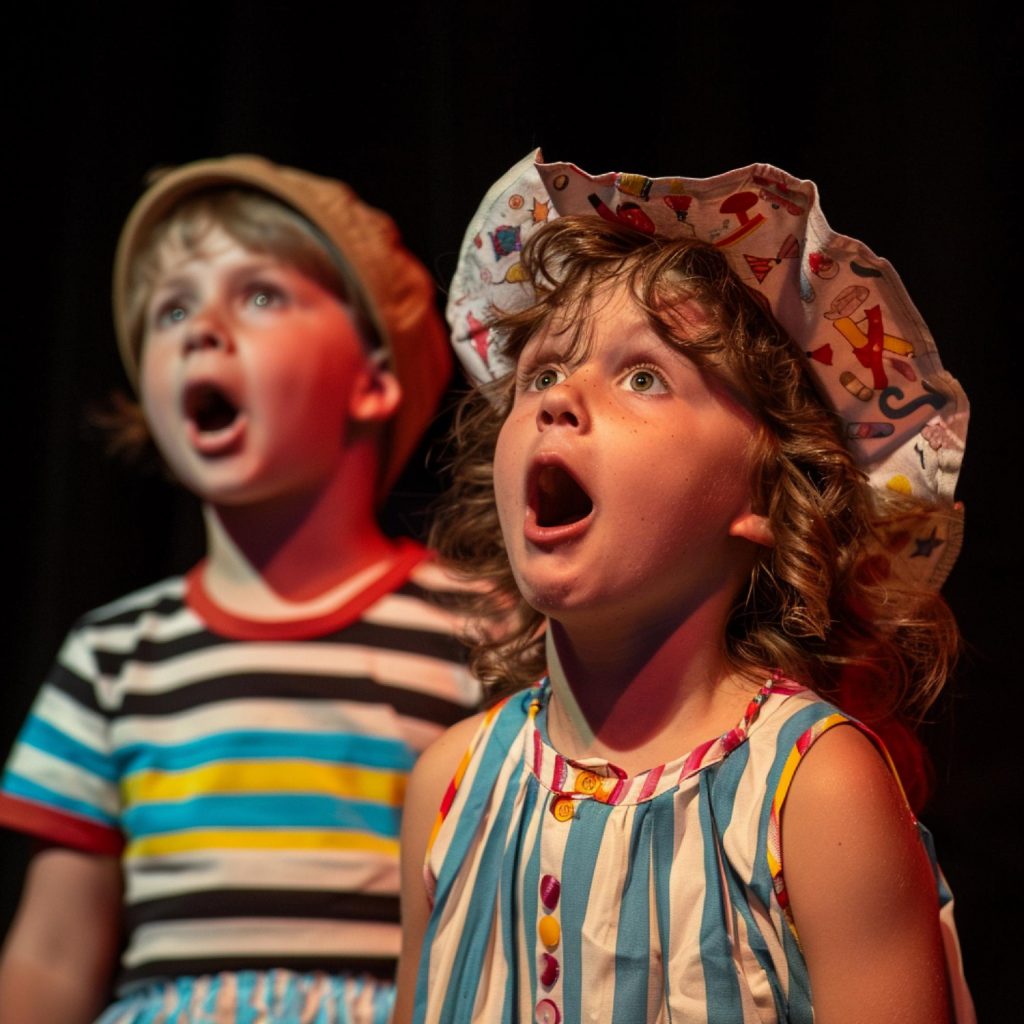
Some museums in NYC offer live performances, storytelling sessions, or theatrical demonstrations as part of their programming. These events often take place in familiar, well-lit environments and allow for easy exits if needed.
Pairing a short performance with hands-on exhibits can help children associate live shows with exploration and play rather than prolonged sitting.

Seasonal and Pop-Up Experiences
Depending on the time of year, families may encounter seasonal performances such as holiday-themed shows, outdoor concerts, or limited-run interactive events. These experiences can be ideal first introductions, particularly when they are designed for casual drop-in attendance rather than formal seating.
Choosing the Right Age for a First Live Show
There is no universal “correct” age for a first live performance, but most children benefit from an experience that aligns with their developmental stage rather than their calendar age.
Children who are ready for a first live show often demonstrate:
- Interest in music, stories, or pretend play
- Ability to follow simple group instructions
- Comfort in new environments with adult support
For many families, ages three to six are a common window for first experiences, particularly when the show encourages participation and movement.
Planning the Day Around the Show

When attending a first live performance, the surrounding schedule matters. A well-planned day reduces pressure on the show itself and increases the likelihood of a positive experience.
Helpful strategies include:
- Scheduling the performance earlier in the day when energy levels are higher
- Avoiding back-to-back activities that require sustained focus
- Planning meals either before or immediately after the show
- Allowing buffer time for transitions and rest
In Midtown and Times Square, many first-time-friendly performances are within walking distance of hotels, restaurants, and attractions, making it easier to build a manageable itinerary.
Managing Expectations for First-Time Theatergoers
It is helpful to frame a first live show as an introduction rather than a test. Children may watch quietly, sing loudly, ask questions mid-performance, or want to stand and move. In environments designed for young audiences, these behaviors are expected.
The goal is not perfect attention, but positive association. A child who leaves feeling comfortable, curious, and excited is far more likely to enjoy future live performances, including more traditional theater experiences later on.
Why Interactive Shows Often Lead to Long-Term Interest
Interactive shows provide immediate feedback. When children sing and receive a response, dance alongside performers, or are acknowledged by characters, they experience live performance as a two-way exchange rather than a one-sided presentation.
This type of engagement can build confidence and familiarity with theatrical spaces, making future visits to theaters, concerts, or performances feel less intimidating. For families who value arts exposure but want to ease into it, interactive formats are often the most effective starting point.
Conclusion: Setting the Stage for Future Theater Experiences

New York City offers countless opportunities to introduce young children to live performance, but the most successful first experiences are those designed with early audiences in mind. Shows that emphasize interaction, flexibility, and familiarity tend to create positive associations that last beyond the day itself.
Experiences like The Grandest Princess Ball Ever provide a low-pressure entry point, blending live performance with participation, movement, and social interaction in a setting that feels accessible and welcoming. When paired with thoughtful scheduling and realistic expectations, a child’s first live show in NYC can become the foundation for a lifelong appreciation of theater and performance.