
Planning a family trip to New York City can feel both exciting and intimidating. There is no shortage of things to do, but the sheer scale of the city, combined with busy streets and packed schedules, can make it hard to know where to begin, especially when traveling with young children. The good news is that New York City is one of the most family-friendly big cities in the world when approached with the right strategy.
For parents already planning activities in the city, the key is not trying to do everything. Instead, a successful family visit to New York City is built around smart pacing, walkable neighborhoods, and a mix of iconic sights and kid-forward experiences. This guide focuses on how to plan a family trip that feels memorable and manageable, while still capturing the energy that makes NYC special.
Start With a Realistic Itinerary
One of the most common planning pitfalls is overloading the schedule. New York City rewards flexibility, particularly when traveling with children. Rather than packing each day with nonstop attractions, it is more effective to choose one or two anchor activities per day and allow the rest of the time to unfold naturally.
Think in terms of neighborhoods instead of individual attractions. Grouping activities geographically reduces travel time and limits the number of transitions, which can be especially helpful with strollers or younger kids. Midtown, for example, offers Times Square, Broadway theaters, major museums, and family-friendly dining all within walking distance.
Choose Kid-Friendly Anchor Experiences
Times Square as a Starting Point
Times Square often gets mixed reviews from adults, but for kids, it can feel like stepping into a living storybook of lights, movement, and sound. Oversized digital billboards, street performers, and constant motion make it instantly engaging, even for first-time visitors.
The key is treating Times Square as a planned experience rather than an open-ended one. Visiting earlier in the day or in the early evening, setting a time limit, and pairing it with a specific activity helps keep the experience fun instead of overwhelming.
The Grandest Princess Ball Ever
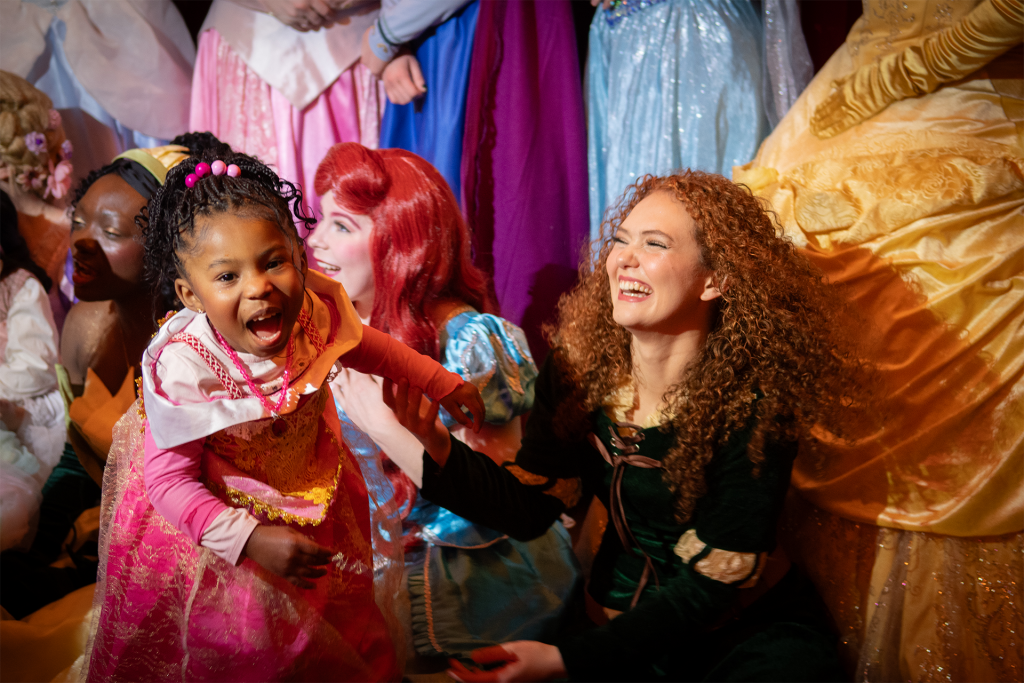
One of the most accessible family-friendly experiences in Times Square is The Grandest Princess Ball Ever. Hosted at Carmine’s Times Square, this interactive event blends live performance with singing, dancing, and guided activities designed specifically for young children.
Rather than asking kids to sit quietly, the experience encourages participation and movement. Characters lead sing-alongs, simple dances, and group games that make children feel involved from the moment they arrive. Because the event takes place indoors and follows a predictable structure, it works well as a reliable anchor activity on a busy day.
For families planning their NYC itinerary in advance, having a scheduled, kid-forward event like this can provide a welcome sense of rhythm and certainty, especially in the middle of a high-energy neighborhood.
Balance City Icons With Spaces to Move
Central Park

No family trip to New York City is complete without time in Central Park. Beyond being a scenic landmark, Central Park functions as a giant reset button for kids. Open space, playgrounds, and walking paths offer room to move freely after time spent indoors or navigating crowded streets.
Popular family-friendly areas include the playgrounds near the southern end of the park, the Central Park Zoo, and open lawns where kids can simply run. Planning park time after a museum visit or city-heavy morning often helps balance the day.
The High Line
For families looking for a more structured outdoor experience, The High Line offers an elevated walking path with art installations, greenery, and city views. While not ideal for very long visits with young children, it works well as a short, visually interesting stroll that breaks up the day.
Museums That Actually Work for Kids
New York City has world-class museums, but not all of them are equally engaging for young audiences. When planning museum visits, choosing places designed with children in mind can make a significant difference.
Children’s Museums
Venues like the Children’s Museum of Manhattan focus on hands-on exhibits, interactive play, and shorter attention spans. These museums are especially useful for mornings when energy levels are high and curiosity is at its peak.
Visual and Interactive Museums
Even larger institutions, such as the American Museum of Natural History, can be enjoyable for kids when visits are kept short and focused. Choosing one or two sections to explore rather than attempting the entire museum often leads to a more positive experience.
Food Planning Is Part of the Strategy
Food deserves just as much planning as attractions when traveling with children. New York City offers endless dining options, but not all are equally convenient for families.

Choosing restaurants that are accustomed to serving large groups or families can reduce wait times and stress. Family-style dining, casual counter-service spots, and places with flexible seating tend to work best.
In areas like Times Square, planning meals slightly outside peak hours can dramatically improve the experience. Even a 30-minute shift earlier or later can make restaurants feel calmer and more accommodating.
Transportation Tips for Families
Walking When Possible
New York City is one of the most walkable major cities in the U.S., and walking often ends up being the simplest option for families. Short walks allow for spontaneous stops, quick breaks, and easier adjustments if plans change.
Public Transit With Kids
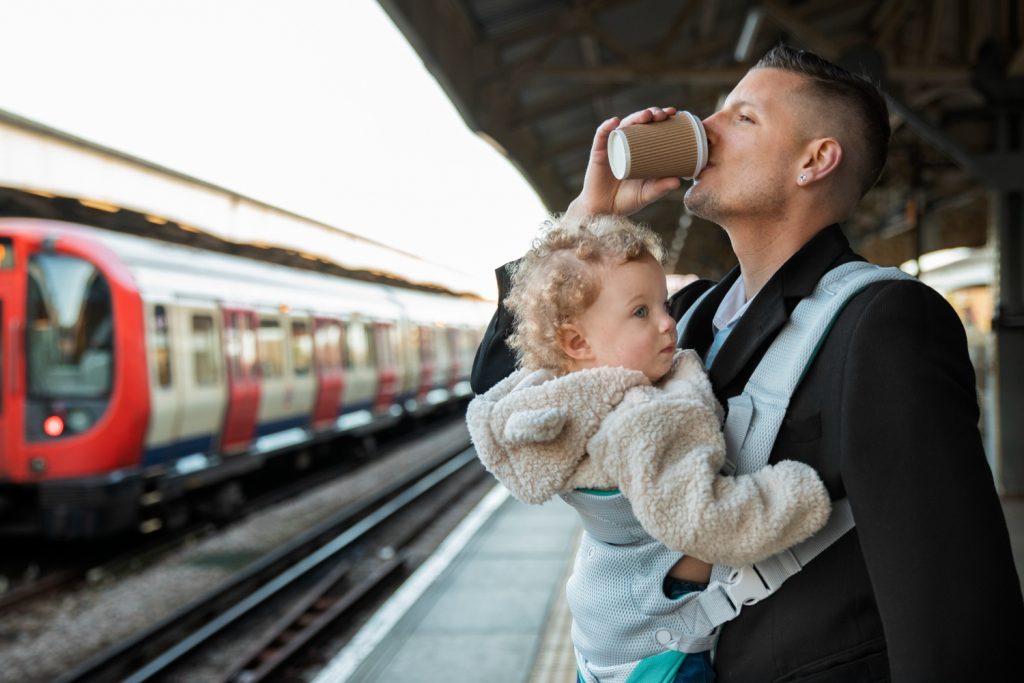
Subways and buses are generally stroller-friendly, but planning routes in advance helps avoid unnecessary transfers. Elevators are not available in every station, so factoring that into the plan can save time and energy.
Rideshare services can be helpful for specific legs of the trip, particularly late in the day or when traveling longer distances, but walking and public transit often provide a more predictable experience.
For more tips on navigating the NYC subway system, look into the MTA. Not only is riding the subway an affordable and efficient way to travel, but it’s also an experience in and of itself.
Build in Downtime
One of the most overlooked aspects of family travel is intentional downtime. Hotel breaks, quiet meals, or even short periods of rest in a park can dramatically improve the overall experience.
Rather than seeing downtime as wasted time, it helps to view it as what makes the rest of the day possible. Kids who have space to recharge tend to enjoy attractions more fully and handle transitions more smoothly.
Why New York City Works for Families
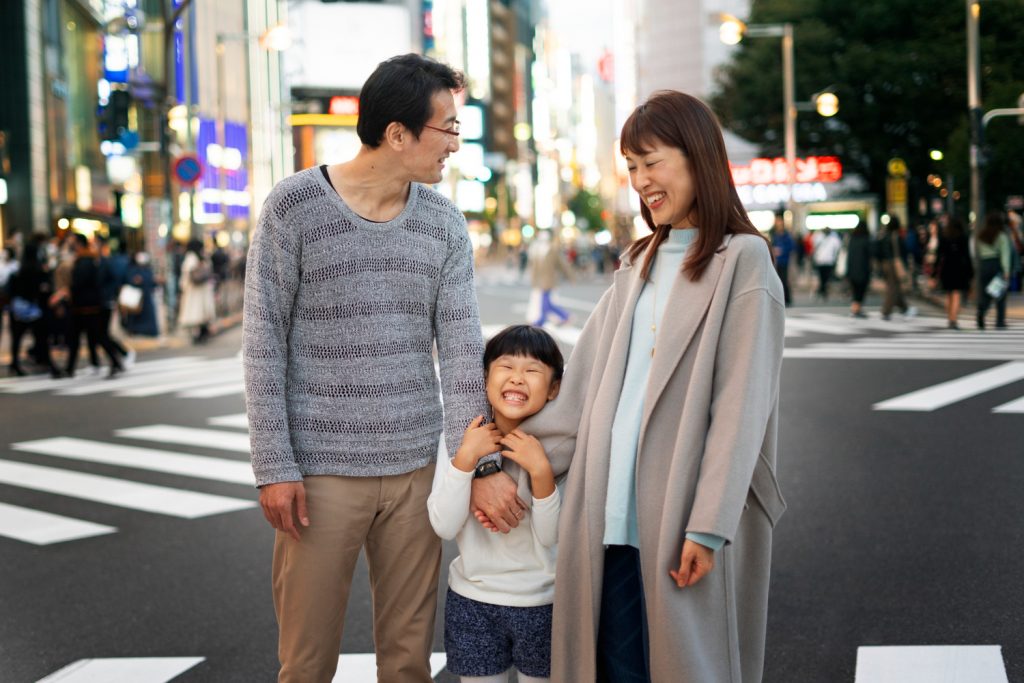
Despite its size, New York City is uniquely suited to family travel. Attractions are dense, public spaces are abundant, and there is a wide range of experiences designed for different ages and interests.
For children, visiting NYC can be a powerful introduction to art, culture, and diversity. Seeing Broadway marquees, iconic landmarks, and people from around the world creates a sense of curiosity and wonder that often extends well beyond the trip itself.
Experiences like The Grandest Princess Ball Ever show how the city adapts its cultural energy for young audiences, offering opportunities for kids to participate rather than simply observe.
Final Thoughts: Planning With Intention, Not Perfection
A family visit to New York City does not need to be flawless to be meaningful. The most successful trips are built around a few well-chosen experiences, flexible schedules, and realistic expectations.
By anchoring days with kid-forward activities, balancing busy neighborhoods with open spaces, and allowing room for rest, New York City can feel less like a logistical challenge and more like a shared adventure.