For families planning activities in New York City, live entertainment often sits high on the wish list. The challenge is finding something that genuinely works for young children. Traditional theater can be magical, but it also comes with long run times, dark rooms, and an expectation of stillness that does not always align with how kids naturally experience the world. That is why sing-along and dance-along shows have become such a reliable favorite for families visiting the New York City.
These performances meet children where they are. They combine music, movement, and participation in ways that feel intuitive rather than instructional, and they turn live entertainment into something kids can actively join instead of passively watch. For parents already mapping out days in Midtown or Times Square, sing-along and dance-along shows often provide the right balance of structure, excitement, and flexibility.
Music and Movement Are How Kids Naturally Engage
Before children can follow complex story lines or sit quietly for extended periods, they respond to rhythm and repetition. Music offers clear cues, predictable patterns, and emotional signals that are easy to process, even for very young audiences. When movement is added, the experience becomes even more accessible.
Sing-along and dance-along shows tap into this natural mode of engagement. Instead of asking children to suppress energy, they give that energy a purpose. Clapping, swaying, jumping, and singing become part of the experience rather than distractions from it. For kids, that feels both empowering and fun.
This is especially helpful in a city environment, where children may already be absorbing a lot of sensory input. A performance that channels excitement into familiar songs and guided movement can feel grounding rather than overstimulating.
Participation Builds Confidence, Not Pressure
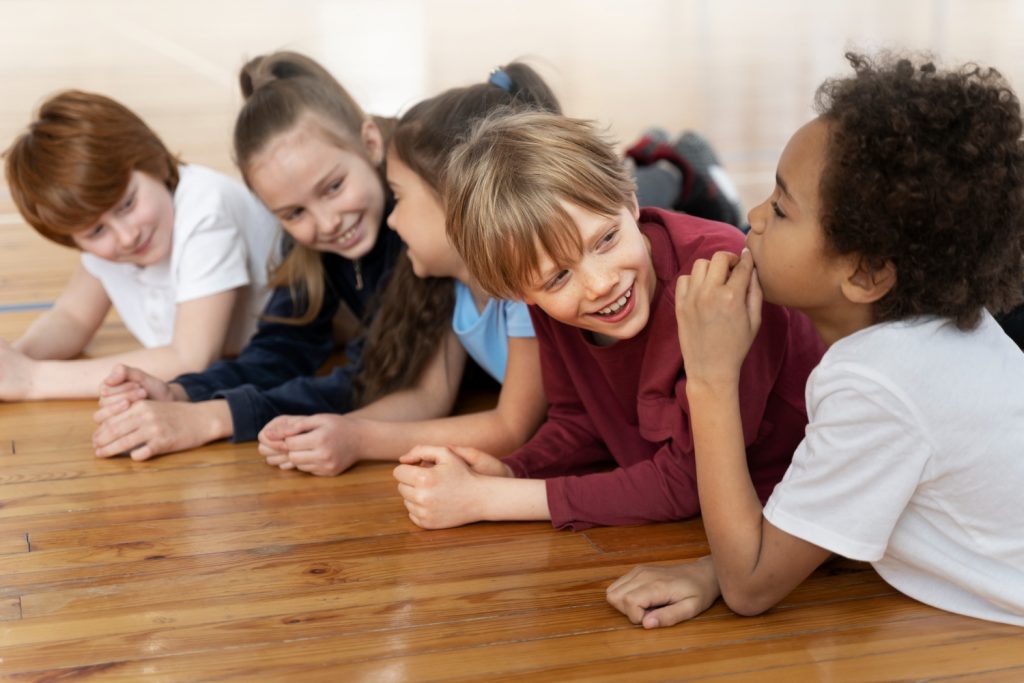
One of the reasons kids love interactive shows is that participation is expected, not exceptional. In a sing-along or dance-along setting, there is no single “right” way to respond. Children can sing loudly, quietly, or not at all. They can copy the choreography exactly or improvise their own version. The structure supports a wide range of comfort levels.
This flexibility helps reduce performance anxiety and improve confidence. Instead of feeling like they are being watched or behaving in a restricted way, children feel like they are part of a group. The shared experience matters more than individual behavior, which creates a low-pressure environment that is welcoming to young theatergoers.
For families planning a packed NYC itinerary, this can be reassuring. A show that allows for movement and sound tends to feel more forgiving and enjoyable, even when kids are tired or excited from a full day of activities.
Familiar Songs Create Instant Participation
Familiarity plays a significant role in how children experience live entertainment. Songs they already know provide an immediate sense of connection and confidence. When kids recognize a melody or chorus, they instinctively want to join in, even if they have never been to a live show before.
Sing-along performances often rely on repetition and recognizable musical styles, which helps children anticipate what comes next. That anticipation builds engagement and makes the experience feel participatory from the very beginning.
In a city full of new sights and sounds, familiar music can serve as an emotional anchor. It allows kids to feel comfortable in an unfamiliar setting, which often leads to longer attention spans and more positive memories of the event.
Dance-Along Shows Turn Energy Into Joy
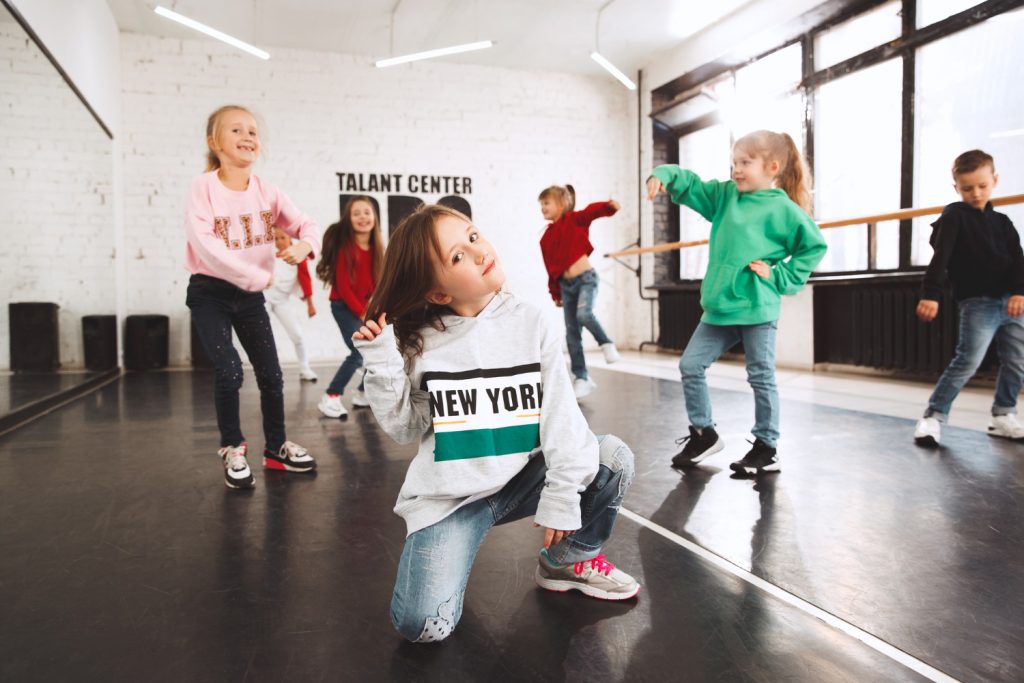
Kids are not wired to sit still for long stretches of time, particularly in stimulating environments like New York City. Dance-along shows embrace that reality. Instead of asking children to manage their energy, these performances use it as fuel.
Guided dancing provides structure without rigidity. Performers model movements, encourage participation, and keep things active at a pace that holds attention. This approach helps children stay engaged throughout the performance rather than burning out early.
For parents, dance-along shows can feel like a win-win. Kids leave feeling energized and happy, while the overall experience remains organized and purposeful rather than chaotic.
Live Interaction Makes the Experience Feel Personal
Another key reason kids gravitate toward sing-along and dance-along shows is the direct interaction with performers. When characters ask questions, respond to the audience, or acknowledge individual contributions, the performance feels personal rather than distant.
This type of interaction reinforces the idea that live shows are dynamic and responsive. Children quickly learn that what they do matters, which makes the experience feel collaborative instead of one-sided.
In busy areas like Times Square, where many attractions involve waiting, watching, or navigating crowds, an interactive performance can stand out as something truly engaging. It creates a sense of connection that goes beyond sightseeing.
The Grandest Princess Ball Ever in Times Square
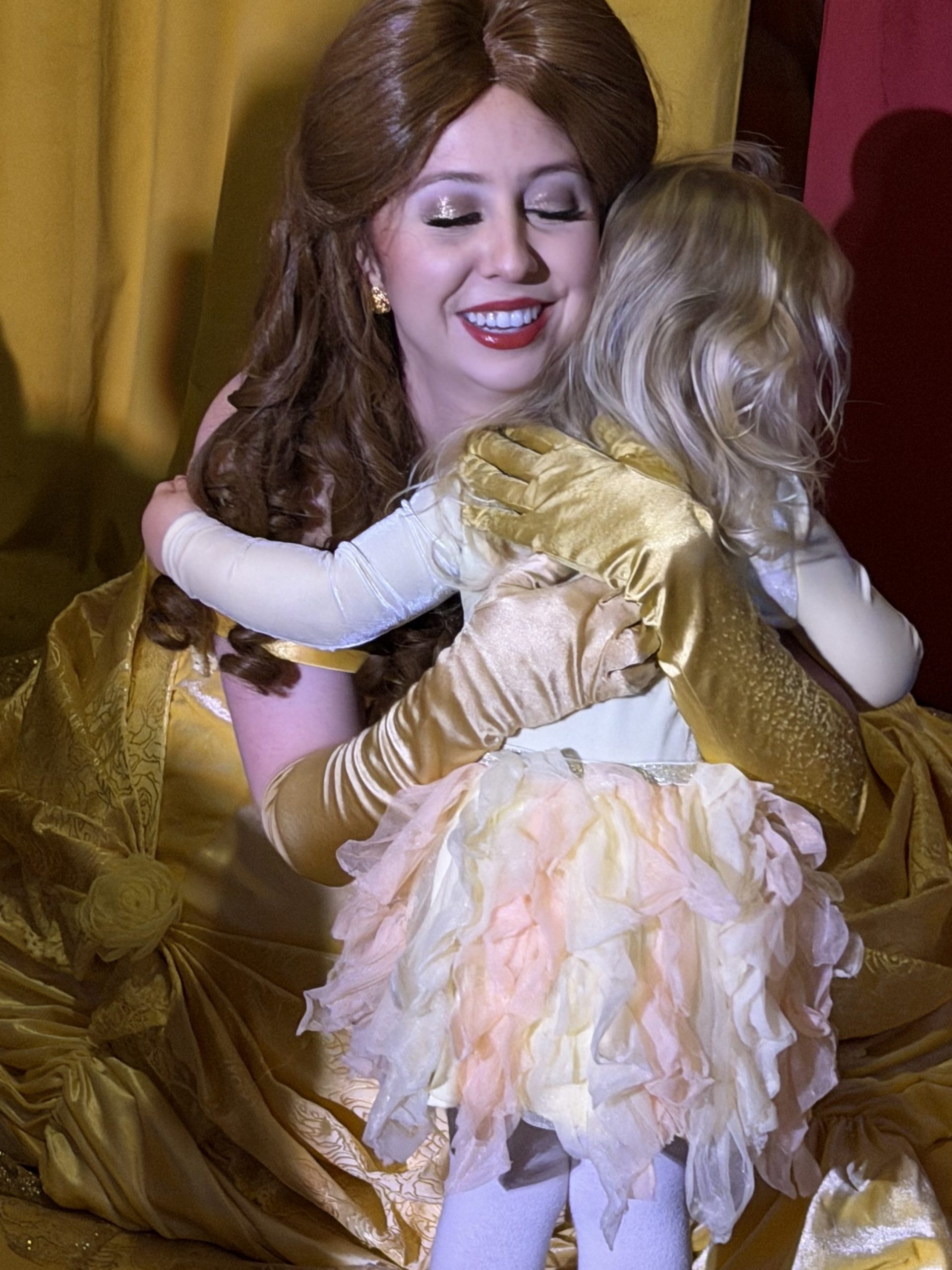
A strong example of this style of entertainment is The Grandest Princess Ball Ever, an interactive sing-along and dance-along experience hosted at Carmine’s Times Square.
Rather than functioning as a traditional stage show, the event is structured as a live celebration. Children are invited to sing with princess characters, participate in guided dances, and take part in group activities that encourage movement and imagination. The format prioritizes engagement over observation, which aligns well with how young children naturally enjoy live entertainment.
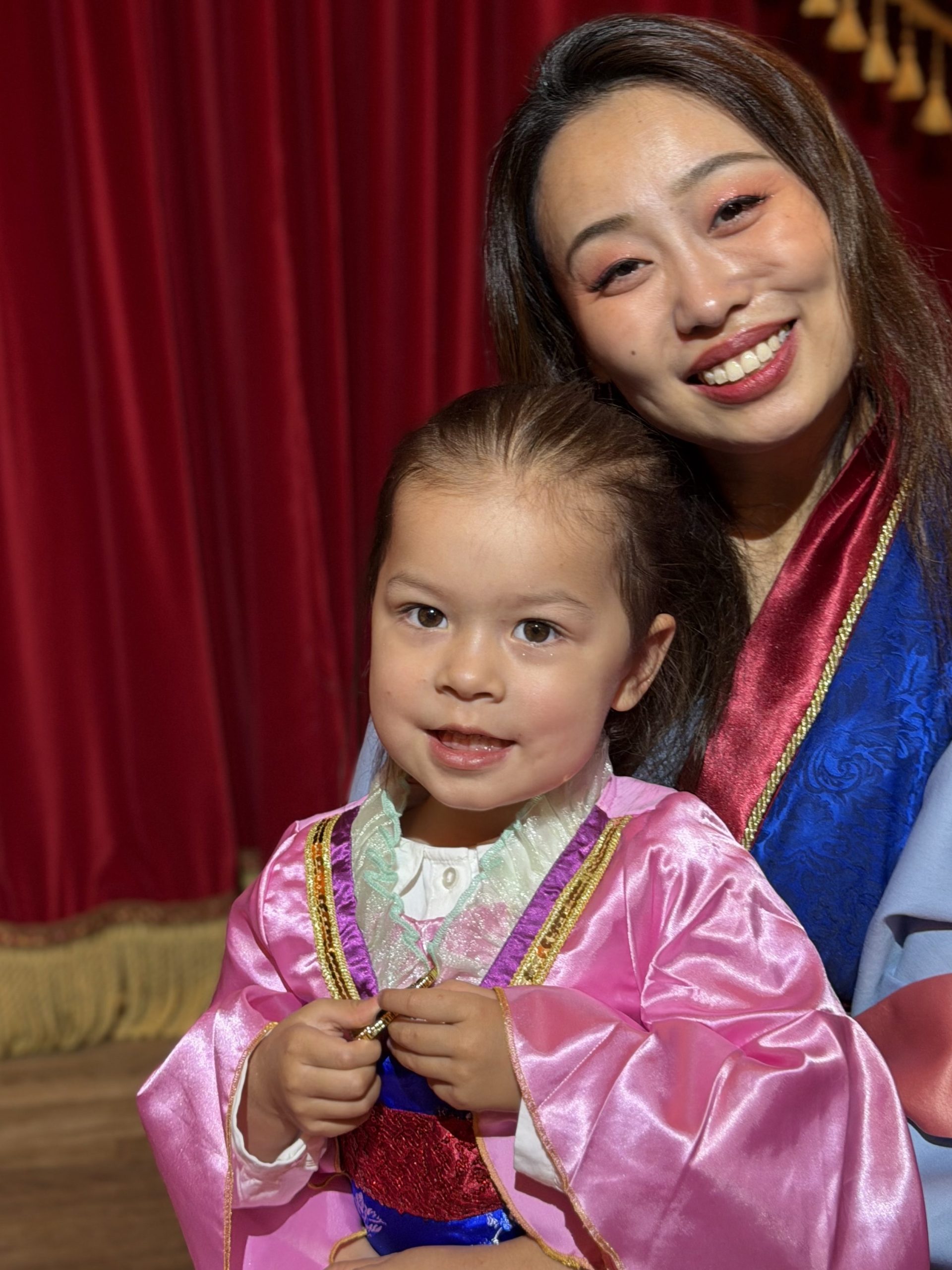
Because the experience takes place indoors at noon on Saturdays and Sundays, it fits easily into a Times Square visit that doesn’t feel overly busy with dinner and theater rushes. Families can plan for the experience, enjoy the performance, and transition smoothly into a meal or nearby activity afterward. For parents already organizing schedules and reservations, that predictability can be especially helpful.
The princess characters are friendly, attentive, and focus on involving children from every corner of the room. For many families, the appeal lies in the opportunity for kids to sing, dance, and interact directly with positive influences in a welcoming environment.
Why Sing-Along Shows Work Well on Busy City Days
When planning activities in New York City, efficiency matters. Sing-along and dance-along shows often succeed because they deliver a lot of value in a relatively compact time frame. They combine entertainment, movement, and emotional engagement without requiring hours of sustained focus.
These shows also pair well with other family-friendly activities. A performance can serve as a highlight in the middle of the day or as a reward after a morning of sightseeing. Because kids are actively involved, the experience often feels more satisfying than passive attractions of similar length.
In neighborhoods like Times Square, where everything is close together, this type of show can anchor a broader itinerary that includes dining, photos, and short walks without exhausting everyone involved.
Social Energy Makes the Experience More Fun
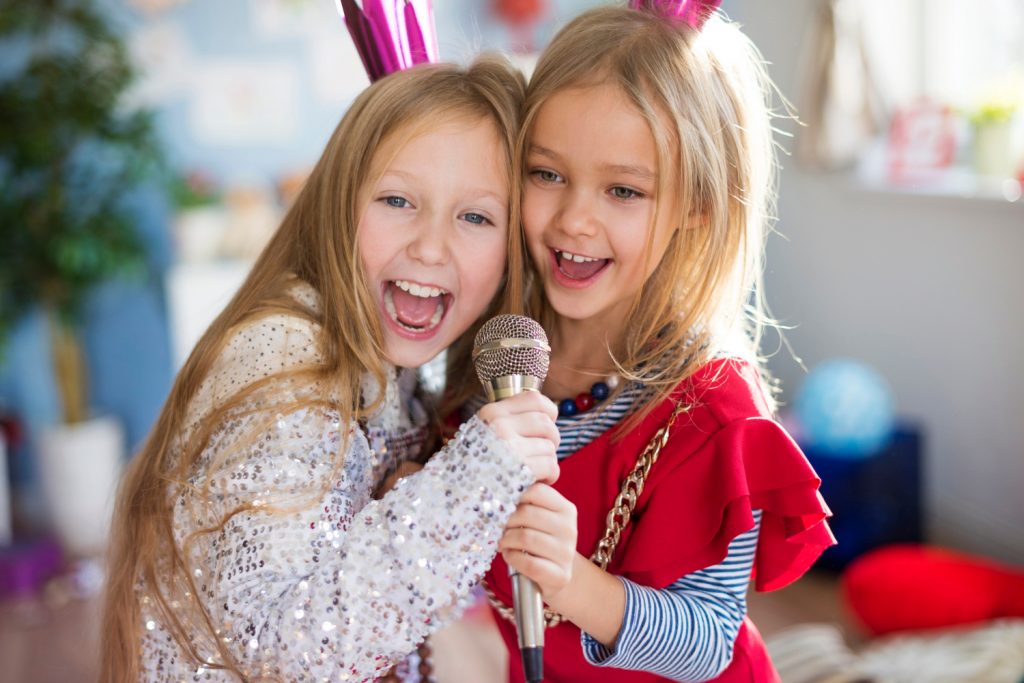
Children often feed off the energy of other kids. Sing-along and dance-along shows create a shared social environment where participation feels normal and encouraged. Seeing peers sing or dance freely can help hesitant children feel more comfortable joining in.
This collective enthusiasm can elevate the experience for everyone. Instead of focusing on individual behavior, the performance becomes a group celebration, which tends to feel joyful rather than stressful.
For visiting families, this also creates a sense of community, even if only for a short time. Kids often leave feeling like they were part of something special, not just an audience member passing through.
Setting Realistic Expectations Helps Everyone Enjoy It More
One of the benefits of sing-along and dance-along shows is that they naturally accommodate a range of reactions. Some children will participate enthusiastically from the start. Others may observe quietly before joining in later. Both responses fit comfortably within the format.
Approaching these shows as experiences rather than performances to “sit through” helps set the right tone. The goal is enjoyment and engagement, not perfect attention or behavior. When expectations align with the structure of the show, the experience tends to feel more relaxed for everyone.
Why These Shows Often Become Trip Highlights
Ask families about memorable moments from a city trip, and interactive experiences frequently rise to the top. Sing-along and dance-along shows stand out because they allow kids to be fully themselves while still feeling included in something organized and special.
In a city known for world-class theater, these shows offer an accessible entry point. They introduce children to live performance in a way that feels joyful rather than intimidating, laying the groundwork for future interest in theater, music, and dance.
Conclusion: Big City Energy, Kid-Sized Fun
Sing-along and dance-along shows succeed because they align with how children naturally learn, play, and connect. They transform live entertainment into an active experience that celebrates movement, music, and imagination.
For families already planning activities in New York City, especially in high-energy areas like Times Square, these performances provide a practical and enjoyable option. Experiences like The Grandest Princess Ball Ever combine structure with flexibility, offering kids a chance to sing, dance, and interact while giving parents a clear, manageable addition to the day’s plans.
In a city full of iconic sights, it is often these moments of shared joy and participation that leave the strongest impressions.